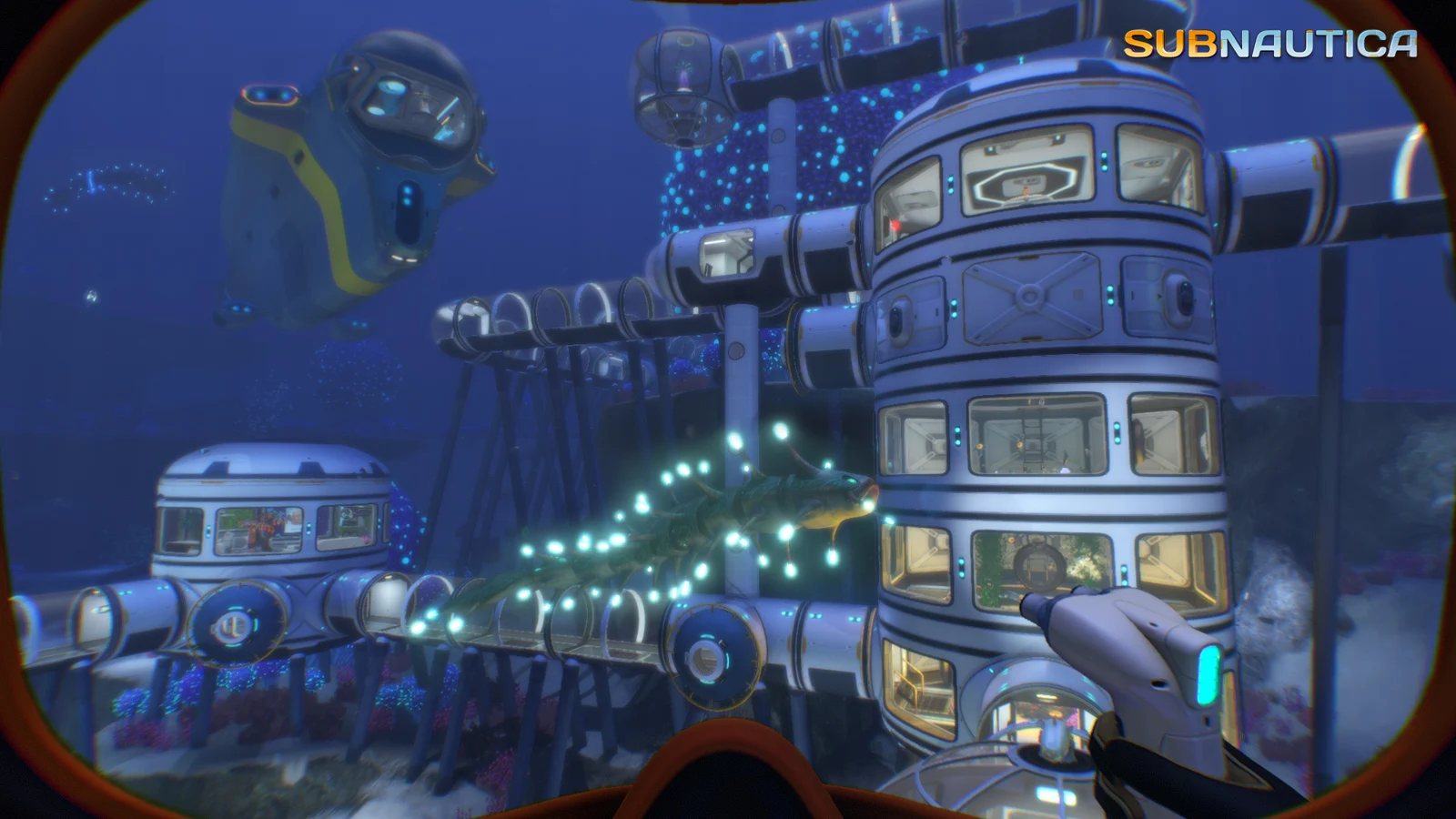
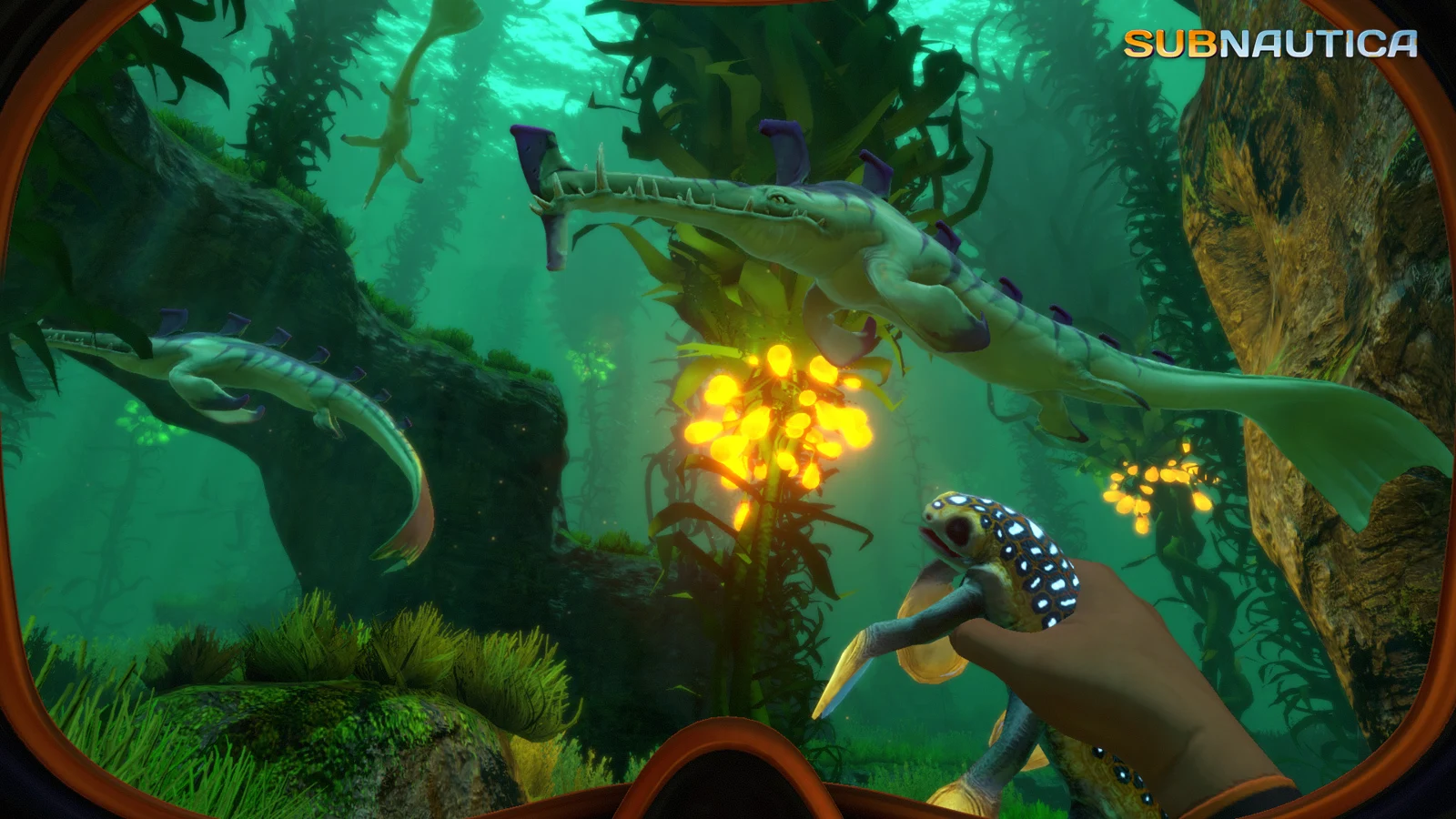
Make the shallows a place you can read
Begin an ocean expedition by learning the neighbourhood around the lifepod.
SUBNAUTICA / A SPOILER-LIGHT FIELD JOURNAL
A spoiler-light Subnautica field journal about reading biomes, preparing excursions and noticing the life around you.
Prepare the next excursion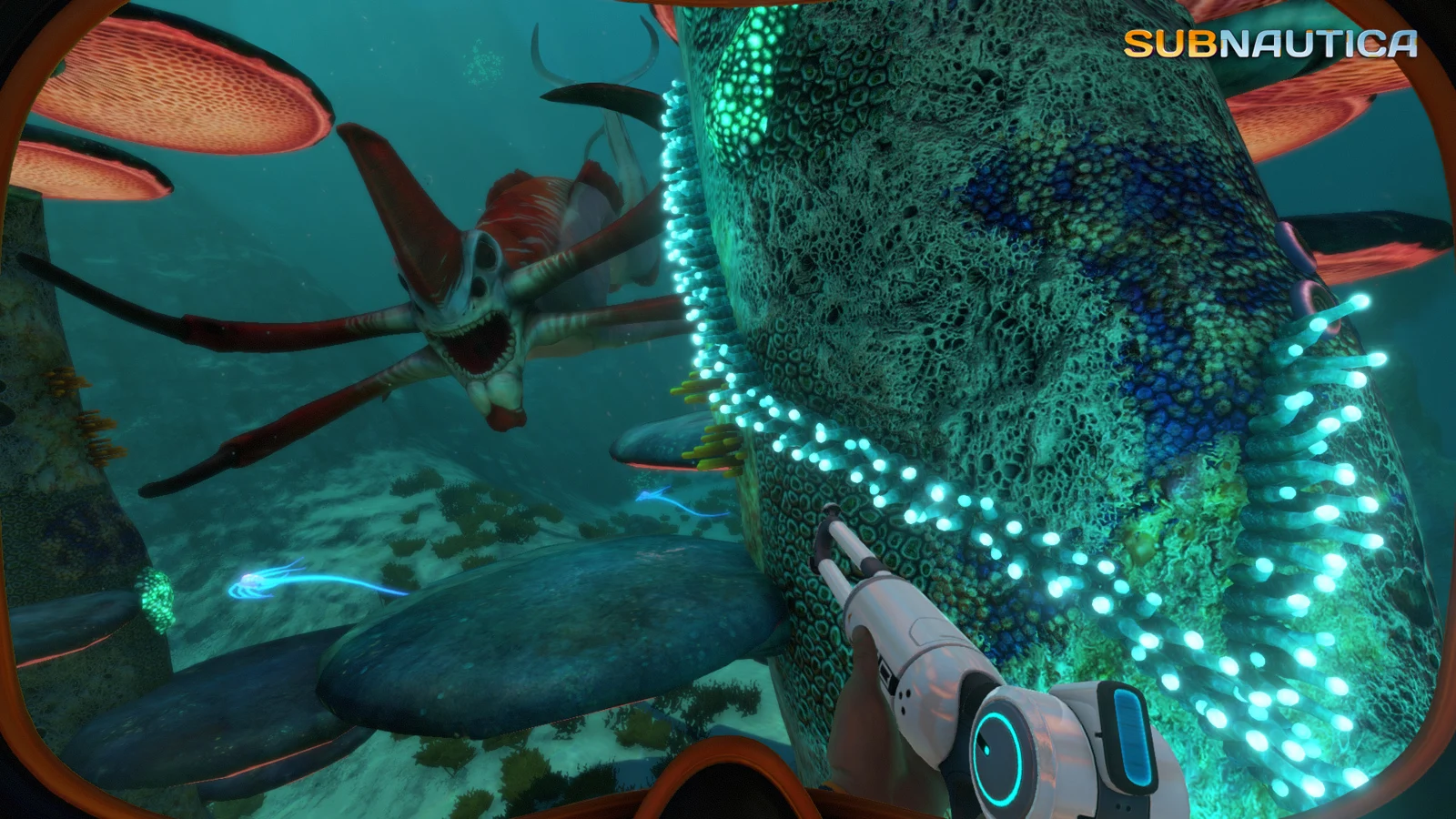
Begin an ocean expedition by learning the neighbourhood around the lifepod.
Fragments and creatures lead to different kinds of discovery in the PDA.
Use seabed, plants, light and depth to understand a new area without revealing its story.
A marker works best when its label tells you why you might return.
Tools, power, provisions and free inventory space should support the same outing.
Give a first habitat a practical relationship with the water around it.
Explore the original Subnautica through observation, route knowledge and equipment you understand.
Watch oxygen while you still understand the way back. A new opening can change a simple upward return into a route that needs more attention.
Life and technological findings enter the PDA in different ways. Read a discovery at a comfortable pause, then choose the question it raises.
Check a tool’s remaining charge before leaving. Carrying the right device is different from carrying a device ready to use.
Name beacons for the practical reason to return and use the Beacon Manager to keep the current route readable.
A known return route belongs in the plan before the interesting thing comes into view.
| Purpose | Pay attention to | A useful result |
|---|---|---|
| Nearby survey | Landmarks and an uncomplicated return | A recognisable loop around familiar water |
| Technology investigation | Scanner readiness and blueprint progress | A new capability to consider |
| Resource run | The recipe and free inventory space | Materials with an immediate use |
| Biome-edge visit | Terrain, light, depth and equipment limits | A clearer approach for a later expedition |
The boundary itself can be enough for one expedition.
Notice the shift in terrain and vegetation while you can still recognise familiar ground.
Check oxygen and the route to air. Place or remember a useful marker without assuming it describes every obstacle.
Read a relevant finding and choose one preparation that would make another visit more informative.
Scanning technology can contribute to blueprints, while organisms add to the databank. Building a capability still involves the materials and context shown in your own game.
Treat equipment and habitat improvements as ways to investigate a question. Longer range and more complex tools create options, but understanding a route remains part of using them.
Recognise the terrain around your initial point of return.
Use scanning or another capability to notice something you previously passed.
Create a place that supports the preparation and return of the outings you enjoy.
The original Subnautica. These articles do not mix its tools and progression with Below Zero or Subnautica 2.
No. The articles focus on routes, observations and preparation without listing major plot discoveries.
Read the progress shown in the game. Some technologies require multiple relevant scans.
Use the PDA’s Beacon Manager to control signal visibility and colours.
Check access, structure and power. A constructed shell still needs the functions that make it useful for your return.
Subnautica is Unknown Worlds’ ocean survival adventure. Equipment and curiosity gradually change where you can explore. This journal keeps its attention on preparation and observation, leaving major story discoveries out of the guides.
Subnautica on Steam