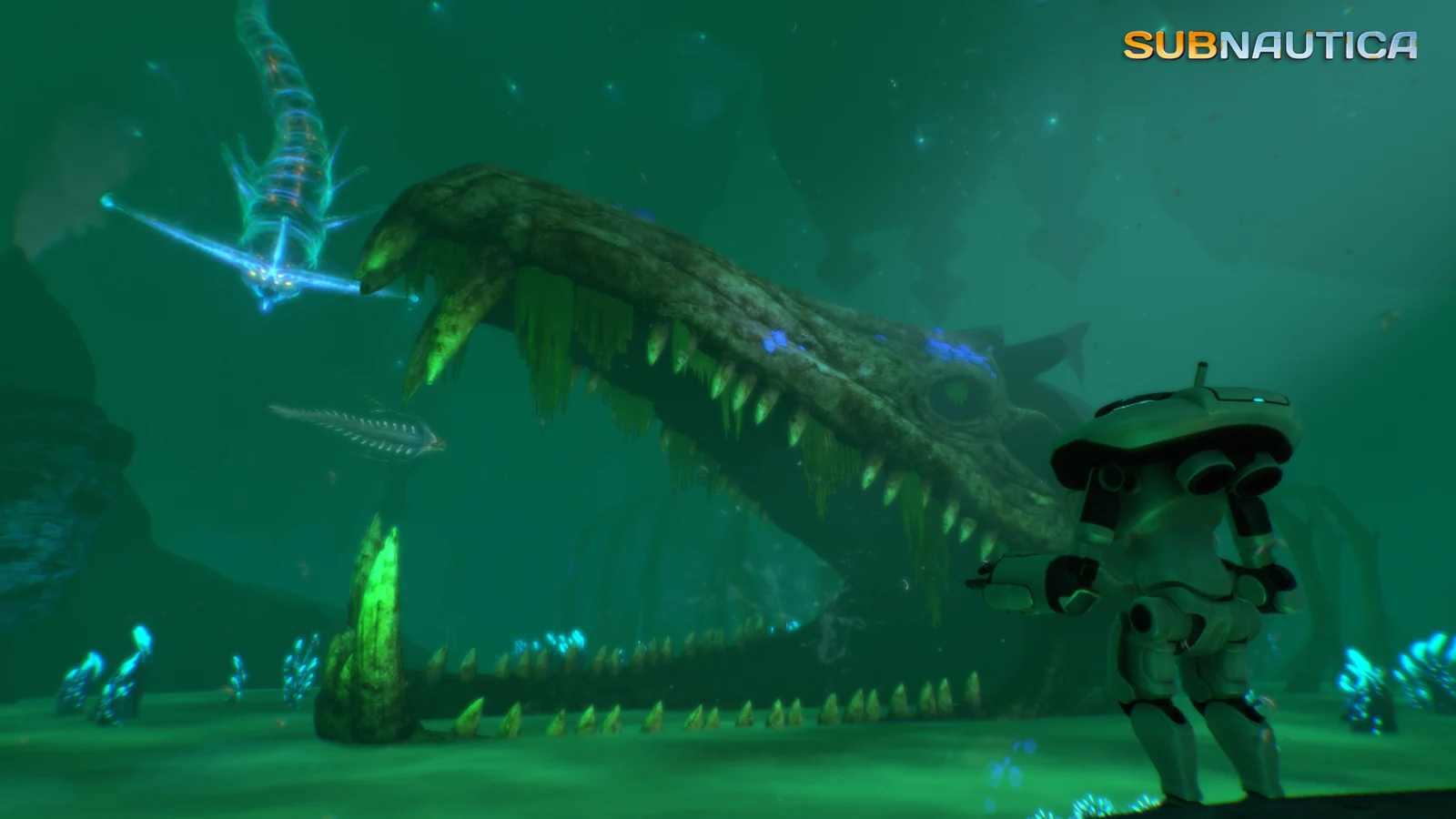
Choose a reason to live here
A beautiful panorama can suggest a base site, but a useful first habitat also has a relationship with the routes you already travel. Consider what you want the place to support: sorting a haul, preparing tools, returning from a survey or simply spending time looking at a piece of ocean you enjoy. A clear purpose keeps the initial build manageable.
Look at the site from more than one direction before committing to a larger design. Notice where you approach, what the surrounding terrain allows and how a future extension might sit in the same space. A modest beginning leaves room to learn those relationships instead of making every early decision permanent through a sprawling construction.
Function comes before the long window
A base needs the appropriate access, structure and power for its functions. Treat the shell as the start of the project rather than assuming that an attractive arrangement is already a working refuge. Read the construction and power state as you add pieces. A room and a dependable place to return to are related achievements, but not identical ones.
Start with the equipment that supports the site's purpose. If this is a preparation stop, storage and a clear working layout matter immediately. If it is mainly an observation home, preserve the view and a comfortable route through the interior. You can add more complexity once the core arrangement proves useful during ordinary play.
Keep the arrival route obvious
The first place you see when returning should make sense with a full inventory and a particular job in mind. Put commonly used storage and work areas along a route you can follow without repeatedly crossing the same room. A small base can feel spacious when its repeated actions do not interfere with each other.
Mark the location if you need a navigational reference, then check what the approach looks like from the water. A recognisable arrival connects the building with the ocean around it. The habitat is not just an interior screen where crafting happens; it is a destination within the landscape you have been learning to read.
Give observation time its own value
A view can support a quieter kind of session. Notice how the surroundings read at different times and how creatures move through the visible space. You do not need to convert every sight into a resource objective or a claim about permanent animal behaviour. The pleasure can be in recognising a familiar setting more closely.
Keep a few notes about the view if that helps you remember why you chose the location. Distinguish what you observed from what you would like to investigate later. This gives the home an identity beyond storage capacity. It becomes the place where findings from an expedition can turn into the questions that lead you back outside.
Expand after using the first version
Spend time returning to the small habitat before adding every available room. An awkward turn, crowded storage corner or blocked view will become apparent through use. Fix those practical problems before committing materials to a much larger footprint. The final design will grow from the life of the base rather than a catalogue of modules. An observation home feels personal when its windows, workspaces and arrival route all belong to the water you chose.